Search
Fostering Innovative Thinking in the Elementary Program

Rachel Marks
March 28, 2025
At Lauremont School, we promote and instill a mindset of innovation and service in our approach to teaching and learning. It is anchored within our school environment but is most impactful as learners contribute to positive social change.
The Montessori and IB pedagogies work together to support an innovative approach to teaching and learning by challenging students to think about how their actions can benefit their communities and the world at large. Both are student-centred with a focus on global mindedness, inquiry, exploration and leadership development.
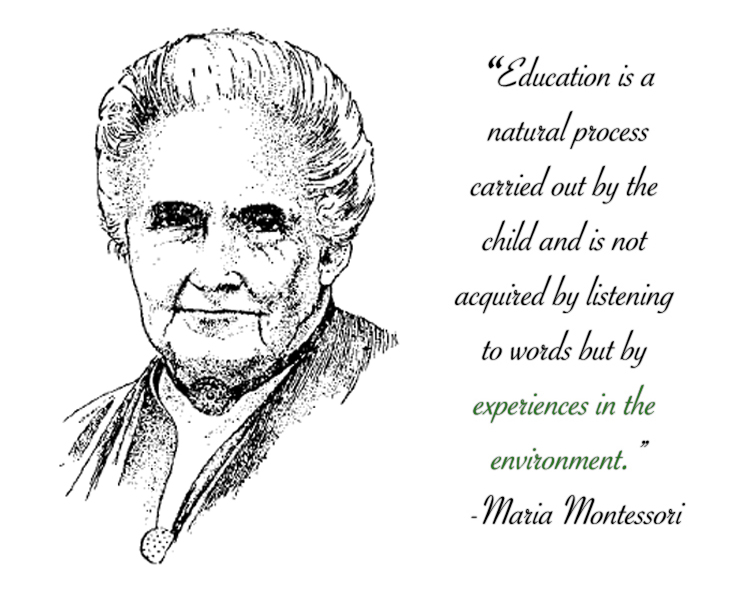
Through integration, evaluation, and the reimagining of progressive Montessori practices, the Elementary program fosters innovative thinking and cultivates social entrepreneurial models where students are encouraged to use their skills to solve social and environmental problems. Elmo, a beloved Sesame Street character, said it best when he defined innovation as new or different. The Elementary Montessori program takes this idea and furthers it to instill innovative thinking and a mindset of service in our students. From a very young age, our students engage in innovative practices that lead to social change. By thinking and doing through a lens of compassion and empathy, they foster leadership skills that are integral to their future success.
In Elementary, innovation is not only an action, it is an attitude. Thinking about how to approach challenges through the lens of collaboration and resilience remains at the forefront of our work with students. Re-thinking and re-imagining how to improve existing systems and how this impacts others not only globally, but at a community level is integral to this practice. Innovation in Elementary is inherent in our approach to problem solving. We use the FAIL mindset as an acronym: First Attempt In Learning. Children realize that through discovery and error, valuable learning takes place.
Reflection and innovation go hand in hand. From the onset of grade one, students begin their digital portfolios that span their Elementary journey from grades 1-6. Made up of integrated work samples from across disciplines, these reflections and learnings support students in the development of their personal and academic identities. Students complete individual and collaborative projects and share their insights on their own capabilities and progress. The digital portfolios serve to further emphasize an interdisciplinary approach to learning as students connect their findings across various subject areas. The digital portfolio reflections and insights also help students plan their own academic pathways. Students develop individual learning goals which fosters autonomy and helps them to take more ownership of their success.
As our grade 6 students prepare for their Upper School journey they delve into design thinking with a focus on social change. By understanding their role as global citizens and social change makers, they learn about the United Nations Sustainable Development Goals and thoughtfully focus on one goal a year like Zero Hunger, to design innovative ways to help others locally and globally. Design Thinking Workshops build foundational innovation skills and help students thoughtfully use inquiry to forge social connections. Through the design thinking process and experience, students learn to approach complex problems creatively and collaboratively. They gain critical skills in research, problem-solving and empathy, and explore sustainable solutions that benefit both their community and the environment.
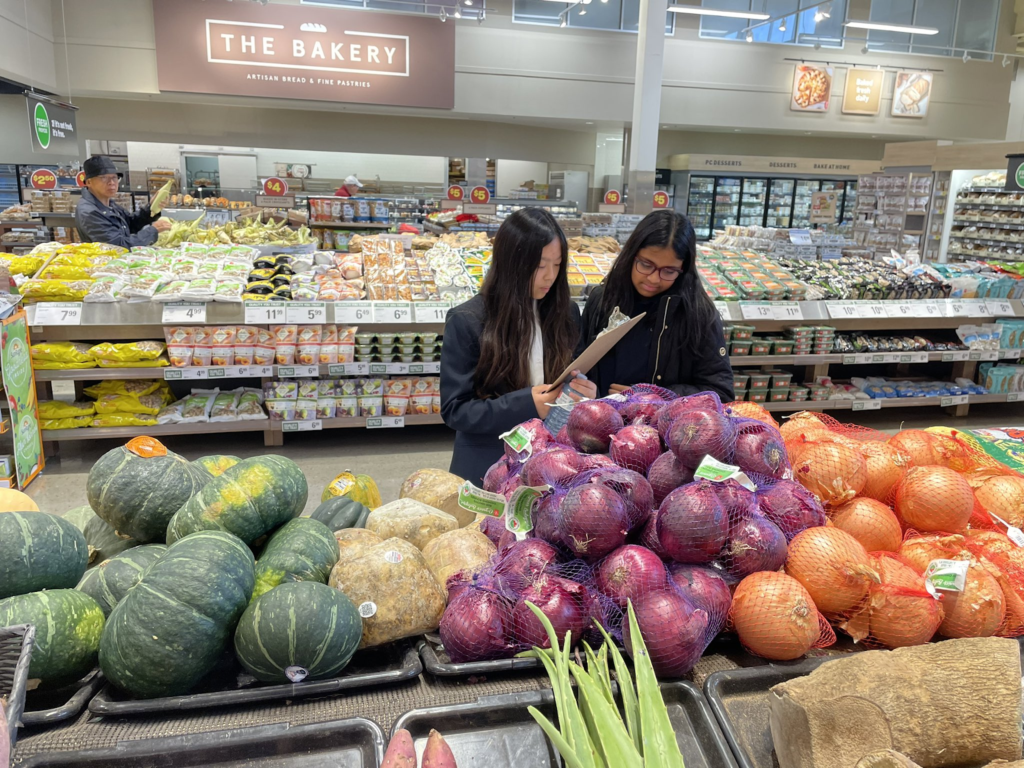
By fostering curiosity, exploration and understanding that valuable lessons come from mistakes, our students will develop the necessary skills for their future lives. Creativity, collaboration and offering opportunities for failure and risk-taking are crucial in preparing our learners to tackle any challenges they encounter.